




Man sitting on a park bench with the Columbo mobility aid

Ideation Lab .05

Mobility Prototype

Stability Reimagined

What if mobility aids tackled more than walking?

Millions of people rely on canes to stay independent, and as populations age, that number keeps growing. Yet their design has changed little for decades, leaving opportunities to improve comfort, usability, and the everyday transitions people face, from navigating doorways to stepping in and out of vehicles.

Expanding what support can look like.

Mobility aids anchor independence, yet most serve a single purpose: walking. Early research and observation surfaced everyday challenges like stepping out of a car, rising from a seat, and navigating tight spaces. These transitions pushed the team to rethink how ergonomics, form, and function could better support real-world use.

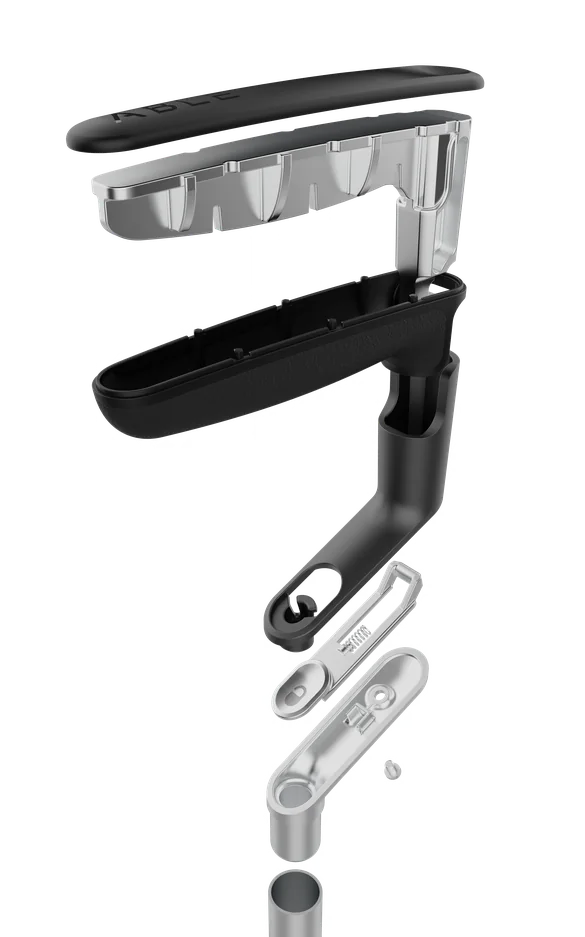
Exploded view of the Columbo mobility aid handle and shaft

Looking beyond function.

Early exploration asked a simple question: what if a cane could assist wherever people need stability? The team explored new grip geometries, multi-angle support points, and adaptable forms that provide leverage not just while walking, but through everyday transitions.

Columbo mobility aid handle with an integrated release button

Familiar Form

An intuitive, ergonomic grip builds on the familiarity of a traditional cane, thoughtfully reimagined to support walking and everyday transitions with greater comfort and confidence.

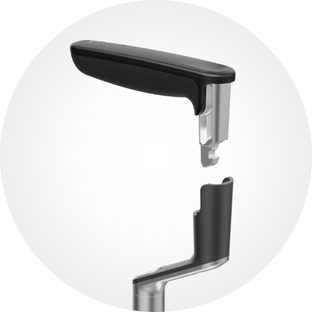
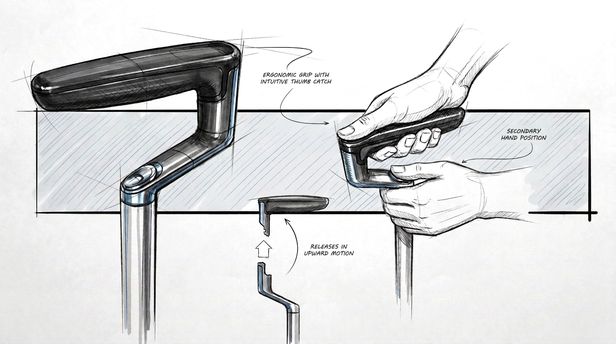
Columbo handle released from the shaft

Engineered for Versatility

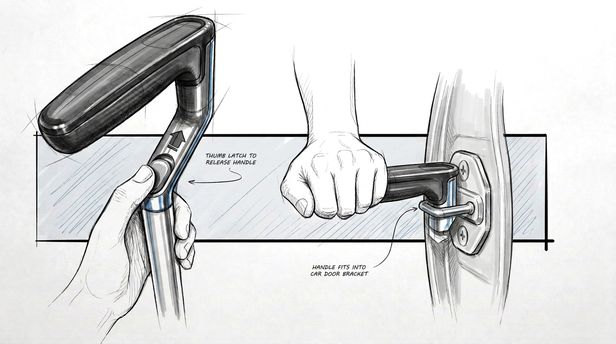
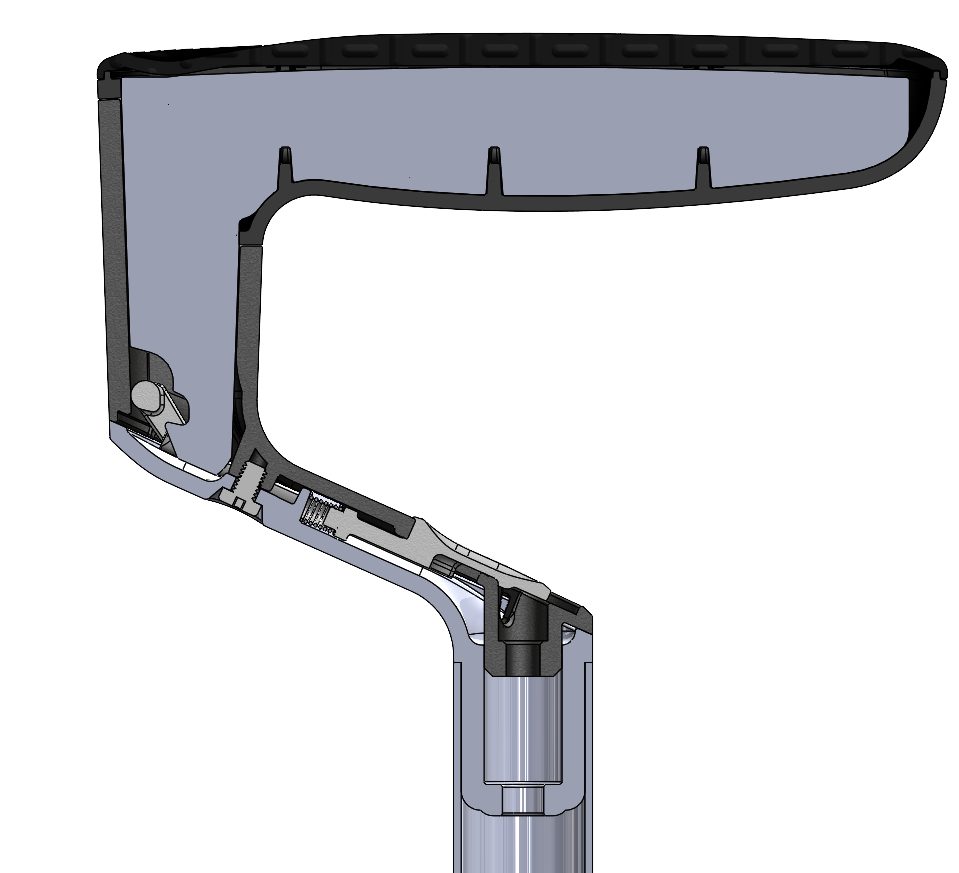
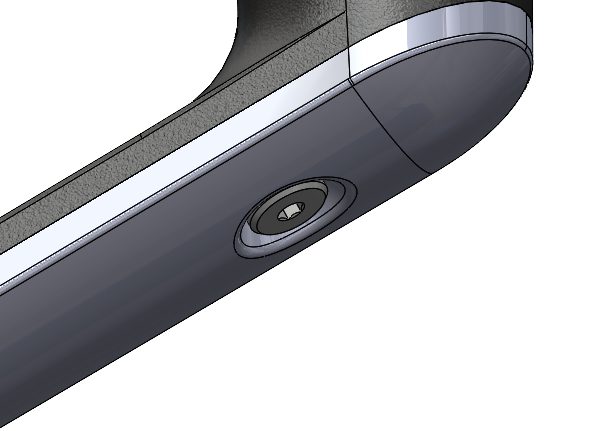
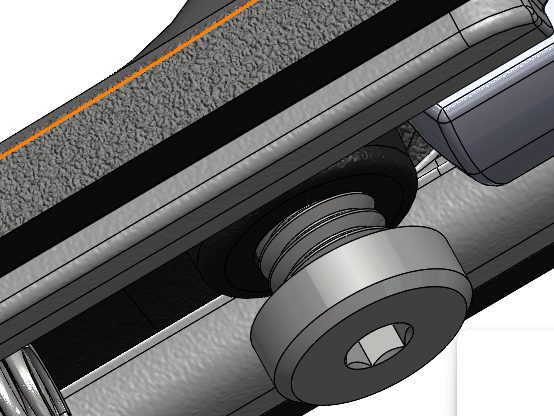
A detachable handle and integrated locking mechanism explore how one mobility aid can serve multiple purposes, transitioning between walking support and assistance in everyday environments.

Columbo handle with a textured grip on an aluminum shaft

Elevated by design

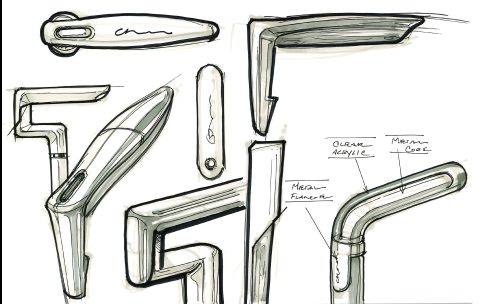
Thoughtful material choices pair tactile comfort with refined aesthetics, creating a mobility aid that feels as considered in the hand as it looks in everyday life.

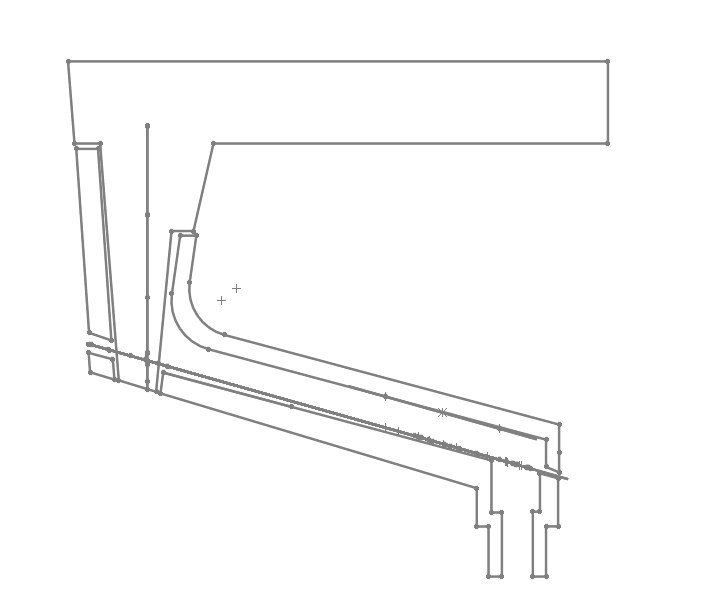
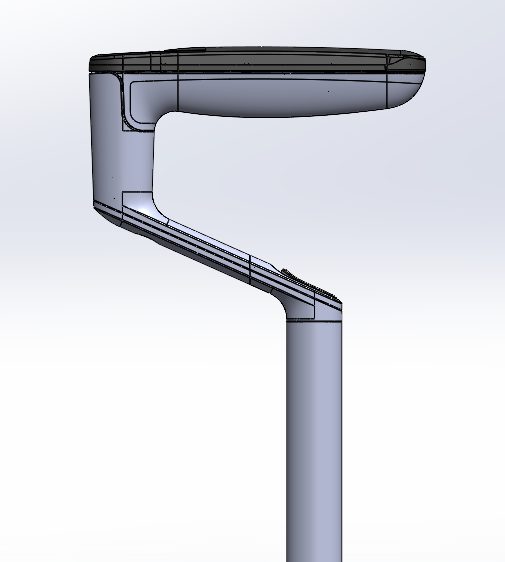
Technical line drawing of the Columbo handle profile

Shaping a modern mobility concept.

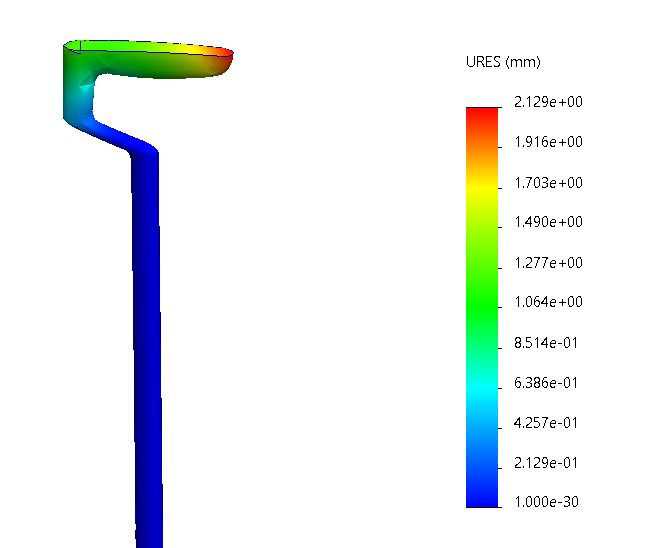
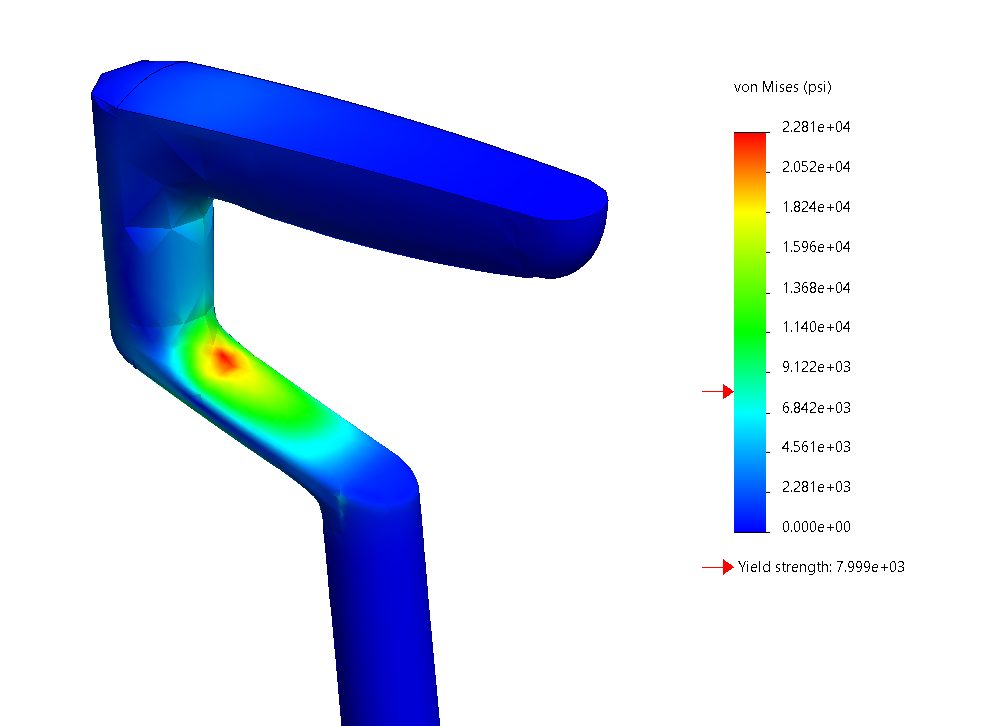
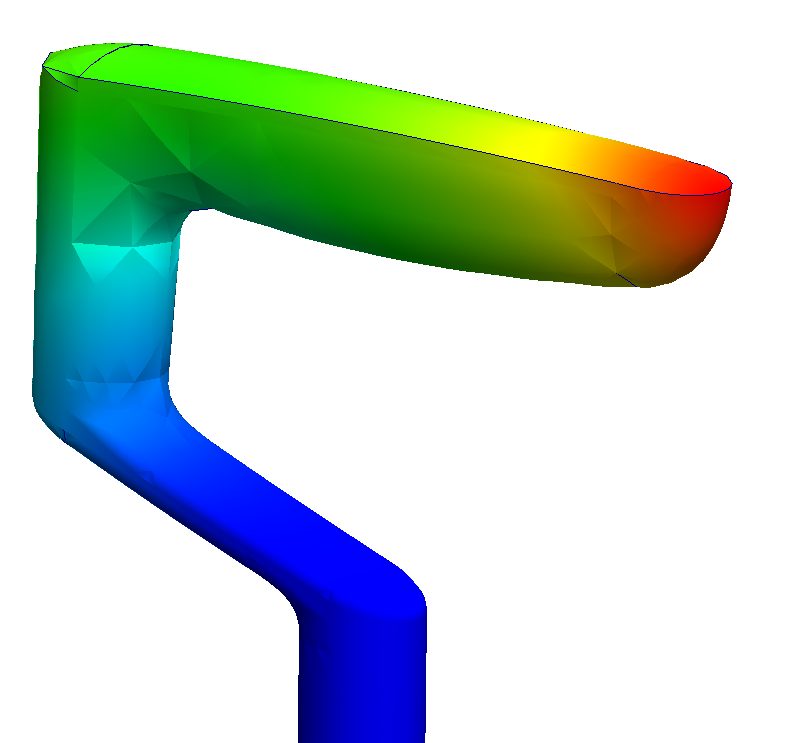
The team turned research into hardware: a working mobility aid built for walking support and transitional stability. Industrial design, engineering, and in-house machining collaborated to refine ergonomics, weight, and structural performance. Iterative prototyping, from early mockups to machined components, let the team quickly test usability, manufacturability, and real-world function.

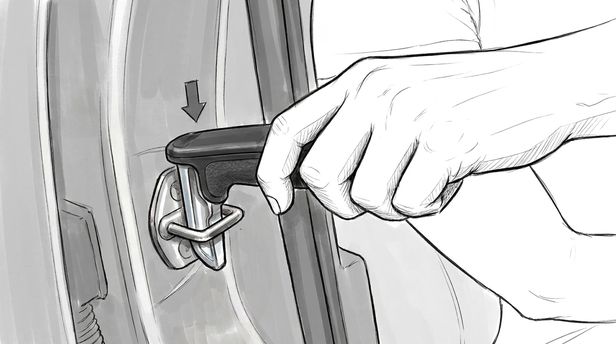
Sketch of a hand pressing the Columbo handle into a car door latch
Sketch of the Columbo handle releasing from the cane to fit a car door bracket
Sketch showing the secondary hand position on the Columbo handle

Designing for evolving independence.

As expectations around usability, comfort, and personalization grow, mobility aids are ripe for reinvention. Combining design research, engineering, and advanced manufacturing creates assistive tools that reflect how people actually move through daily life.

Design beyond the expected.

At Kaleidoscope Innovation, pushing boundaries is in our DNA. From healthcare and consumer products to industrial and emerging technologies, we have built a legacy of exploring what comes next. Projects like this prove that provocative exploration, paired with thoughtful design, uncovers new ways to improve everyday independence.

At Kaleidoscope, “impossible” is just the beginning.

Tell us about your biggest ideas.

Let’s Get Started

Be A World-Changing Force - Be A World-Changing Force - Be A World-Changing Force

Be A World-Changing Force - Be A World-Changing Force - Be A World-Changing Force

Be A World-Changing Force - Be A World-Changing Force - Be A World-Changing Force

Be A World-Changing Force - Be A World-Changing Force - Be A World-Changing Force

Be A World-Changing Force - Be A World-Changing Force - Be A World-Changing Force

Be A World-Changing Force - Be A World-Changing Force - Be A World-Changing Force